Laboratory Gloves: Types, Importance, and How to Choose the Right Pair
On Wednesday, 28 October 2026
Laboratory work often involves chemicals, biological samples, solvents, and other materials that require careful handling. Laboratory gloves are an important part of personal protective equipment (PPE), helping reduce direct contact between the hands and potentially hazardous substances. Selecting the right gloves is essential because different materials offer different levels of protection, comfort, durability, and chemical resistance.
What Are Lab Gloves?
Lab gloves are protective hand coverings designed for use during laboratory procedures, research, testing, sample handling, and chemical work. They can help protect laboratory personnel from contamination and exposure while also helping prevent fingerprints, oils, and other contaminants from affecting sensitive samples.
The appropriate glove should always be selected according to the specific task, material being handled, and manufacturer's chemical-resistance information.
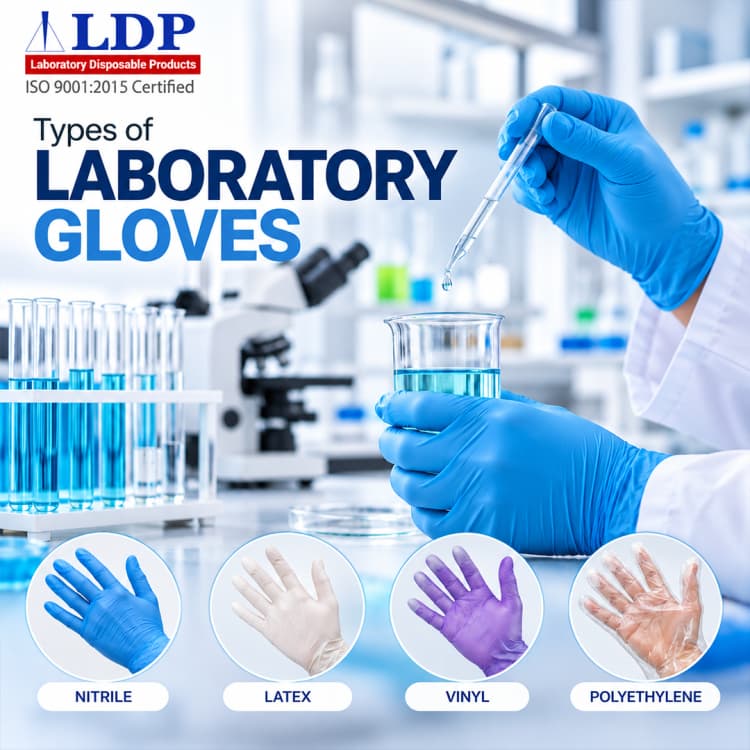
Types of Laboratory Gloves
Understanding the Types of Laboratory gloves available makes it easier to select appropriate hand protection. Laboratory Disposable Products (LDP) offers several glove categories for different laboratory requirements, including:
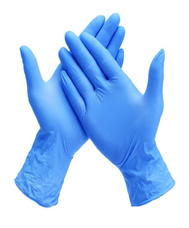
Nitrile Gloves
Nitrile gloves are widely used in laboratories because they provide good flexibility and resistance to many common chemicals. They are also a popular alternative for users who need latex-free options.
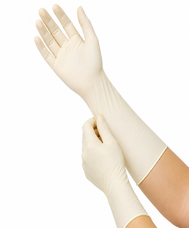
Latex Gloves
Latex gloves offer excellent elasticity, flexibility, and tactile sensitivity, making them suitable for many laboratory and general-purpose applications. However, latex sensitivity or allergies should be considered when selecting them.

Vinyl Gloves
Vinyl gloves are commonly used for general, lower-risk tasks where frequent glove changes are required. They are often chosen for their economical nature and ease of use.
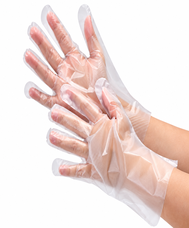
Polyethylene Gloves
Polyethylene gloves are lightweight and convenient for short-duration tasks and applications requiring frequent glove replacement.
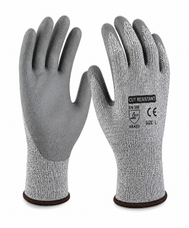
Cut-Resistant Gloves
Cut-resistant gloves are designed to provide additional protection when handling sharp materials or equipment. The appropriate protection level should be selected based on the specific cutting hazard.
Other Gloves
Laboratory Disposable Products (LDP) also provides an Other Gloves category, offering additional options for specialized laboratory and workplace applications. The correct glove should always be selected based on the specific hazard and task requirements.
Importance of Lab Gloves
The Importance of lab gloves goes beyond basic hand protection. Gloves can help minimize skin contact with chemicals and biological materials and reduce the risk of cross-contamination during laboratory procedures.
The Importance of wearing protective gloves in laboratories is particularly significant when working with potentially hazardous substances. However, gloves should not replace other safety measures. Laboratory personnel should also follow appropriate PPE requirements, chemical handling procedures, and laboratory safety protocols.
How to Choose Laboratory Gloves for Chemical Handling
How to choose laboratory gloves for chemical handling depends on several factors:
Always consult the manufacturer's chemical-resistance data and safety documentation before using gloves with hazardous chemicals. No single glove material provides universal protection against every chemical.
Where to Buy Laboratory Gloves in the USA?
If you are searching for where to buy laboratory gloves in the USA, Laboratory Disposable Products (LDP) offers a range of glove categories, including Nitrile Gloves, Latex Gloves, Vinyl Gloves, Polyethylene Gloves, Cut-Resistant Gloves, and Other Gloves. This selection allows laboratories to explore different options according to their specific application and protection requirements.
Conclusion
Laboratory gloves are an essential part of laboratory safety, helping protect hands from chemicals, biological materials, contamination, and other potential hazards. Different types, including Nitrile gloves, latex, vinyl, polyethylene, and cut-resistant gloves, are designed for different applications. Selecting the right gloves based on the laboratory task, material being handled, and required protection can help ensure safer and more effective laboratory work.
Frequently asked questions (FAQs)
Laboratory gloves help reduce direct contact with chemicals, biological materials, and contaminants and support safer laboratory practices.
The best choice depends on the application. Nitrile gloves, latex, vinyl, polyethylene, and specialized gloves may be suitable for different tasks and hazards.
Nitrile gloves can provide resistance to many commonly encountered chemicals, but their suitability depends on the specific chemical, concentration, exposure time, and glove specifications.
Consider the material being handled, chemical compatibility, exposure duration, required dexterity, durability, and applicable safety requirements.
No. Gloves are not universally resistant to all chemicals. Always check chemical compatibility information and replace damaged or contaminated gloves promptly.
Laboratories can explore the glove selection available from Laboratory Disposable Products (LDP), including nitrile, latex, vinyl, polyethylene, cut-resistant, and other glove categories.
Disclaimer: All the information on this news is published in good faith and for general information purposes only. The information contained in this news might be provided on an “as is” based on Wikipedia, Google, and other scientific articles. We are not liable for any injuries or damages for the use of the information. Please do your own research before you use this information for any purpose.